Mobile App Development Company
Gaincafe is a trusted mobile app development company building custom iOS and Android apps for startups and enterprises. With 12+ years of experience and 500+ projects delivered, we create secure, scalable mobile applications that solve real business challenges.
Why Choose Gaincafe for Mobile App Development?
Choosing the right mobile app development agency can make all the difference. At Gaincafe, we combine technical excellence with a consultative, results-focused approach. Here’s why businesses partner with us to build their mobile apps:
Agile Methodology & Transparency
We work in two-week sprints with clear deliverables. You get regular builds, code reviews, and direct access to the development team-no black-box project management.
Scalable Architecture
We design backend systems capable of scaling from 1,000 to 1 million users without requiring a complete rewrite. We utilize microservices and cloud-native architectures (AWS/Azure) to ensure stability.
Security by Design
Security isn’t an afterthought. From data encryption (AES-256) to secure API authentication (OAuth 2.0) and OWASP compliance, we protect your user data and your reputation.
Full-Cycle DevOps
We integrate CI/CD pipelines (Continuous Integration/Continuous Deployment) early in the process. This automates testing and deployment, reducing bugs and accelerating time-to-market.
Source Code Ownership
You own 100% of the intellectual property. Once the project is complete, the codebase is yours-no licensing fees or vendor lock-in.
Our Custom Mobile App Development Services
From product strategy to launch and long-term maintenance, we provide complete mobile app development services tailored to your business.
Service
01 / 07
iOS App Development
Native iOS apps for iPhone and iPad written in Swift and SwiftUI, with Objective-C support for legacy integrations. We follow Apple's Human Interface Guidelines closely, reducing App Store review issues while delivering a premium user experience. Enterprise distribution, TestFlight beta releases, and long-term maintainability are built into every project.
Mobile App Development Cost in India (2026)
Most agencies avoid publishing numbers. Here are honest ranges based on what we actually deliver, so you can budget before you get on a call.
| App Type | What's Included | Estimated Cost | Timeline |
|---|---|---|---|
| MVP / Single Platform | Core feature set, one platform, basic backend | $8,000 – $20,000 | 6–10 weeks |
| Standard Business App | iOS + Android, custom backend, payments, admin panel | $20,000 – $60,000 | 3–5 months |
| Complex / Enterprise App | Third-party integrations, compliance, real-time features, role controls | $60,000 – $150,000+ | 6–12 months |
What moves your number up or down?
Platform scope
Whether you need one platform or both, and native versus cross-platform.
Feature complexity
Real-time sync, offline mode, video, AI features and advanced workflows cost significantly more than standard CRUD screens.
Integrations
Connecting to an ERP, CRM or legacy system requires additional discovery and engineering time.
Compliance
HIPAA, GDPR and PCI DSS requirements add documentation, audit trails and extensive testing.
Design depth
A custom design system costs more than adapting an existing brand or UI kit.
We give a fixed-scope, itemised quote after one discovery call. No hourly open-ended retainers unless you specifically want that model.
Helpful Resources
Get a fixed-scope quote for your app.
Itemised pricing with no hidden line items. You'll know exactly what's included before development begins.
Our Mobile App Development Process
A structured approach that delivers exceptional results on time and within budget
Discovery and Strategy (1-2 weeks)
We start by understanding your users, not just your requirements. Who will use this app? What problems does it solve? How does success get measured? This phase includes competitive analysis, user persona development, technical feasibility assessment, and platform recommendation (native vs. cross-platform). You'll receive a detailed project scope, timeline, and cost estimate before we write a single line of code.
UX/UI Design (2-3 weeks)
Great apps start with intentional design. Our design process creates wireframes showing information architecture and user flows, interactive prototypes you can test with real users, and high-fidelity mockups following platform design systems. We design for the platform-iOS apps look like iOS apps, Android apps follow Material Design. This attention to platform conventions dramatically improves user adoption.
Agile Development (6-16 weeks)
Development happens in two-week sprints with regular check-ins and working software demos. Our process includes continuous integration/continuous deployment (CI/CD) pipelines, automated testing catching bugs before manual QA, code reviews ensuring maintainability, and progress transparency through project management tools. You'll see the app evolving in real-time, not waiting months for a big reveal that might miss the mark.
Quality Assurance (Ongoing)
Testing happens throughout development, not just at the end. Our QA process covers: Functional testing across all features and edge cases. Performance testing measuring load times, memory usage, and battery impact. Security testing identifying vulnerabilities before launch. Usability testing with real users providing feedback. Device compatibility testing on iOS and Android versions. Accessibility testing ensuring WCAG compliance.
App Store Deployment
Launching an app involves more than hitting 'submit.' We handle app store listing optimization with compelling descriptions and screenshots, submission requirements for iOS App Store and Google Play, compliance with platform policies and guidelines, beta testing through TestFlight and Google Play Console, and coordinated launch timing and marketing support. Our experience navigating app review processes minimizes delays and rejections.
Maintenance and Evolution
Launch day starts our long-term partnership. We provide ongoing support including performance monitoring and crash analytics, regular updates for new OS versions, security patches and vulnerability fixes, feature enhancements based on user feedback, and App Store Optimization (ASO) improvements. Mobile platforms evolve constantly. Your app needs active maintenance to stay relevant, secure, and high-performing.
Mobile App Development for Healthcare, Startups & Enterprise
Broad app development is a crowded market. These are the three areas where we have delivered repeatedly and where our experience actually shortens your project.
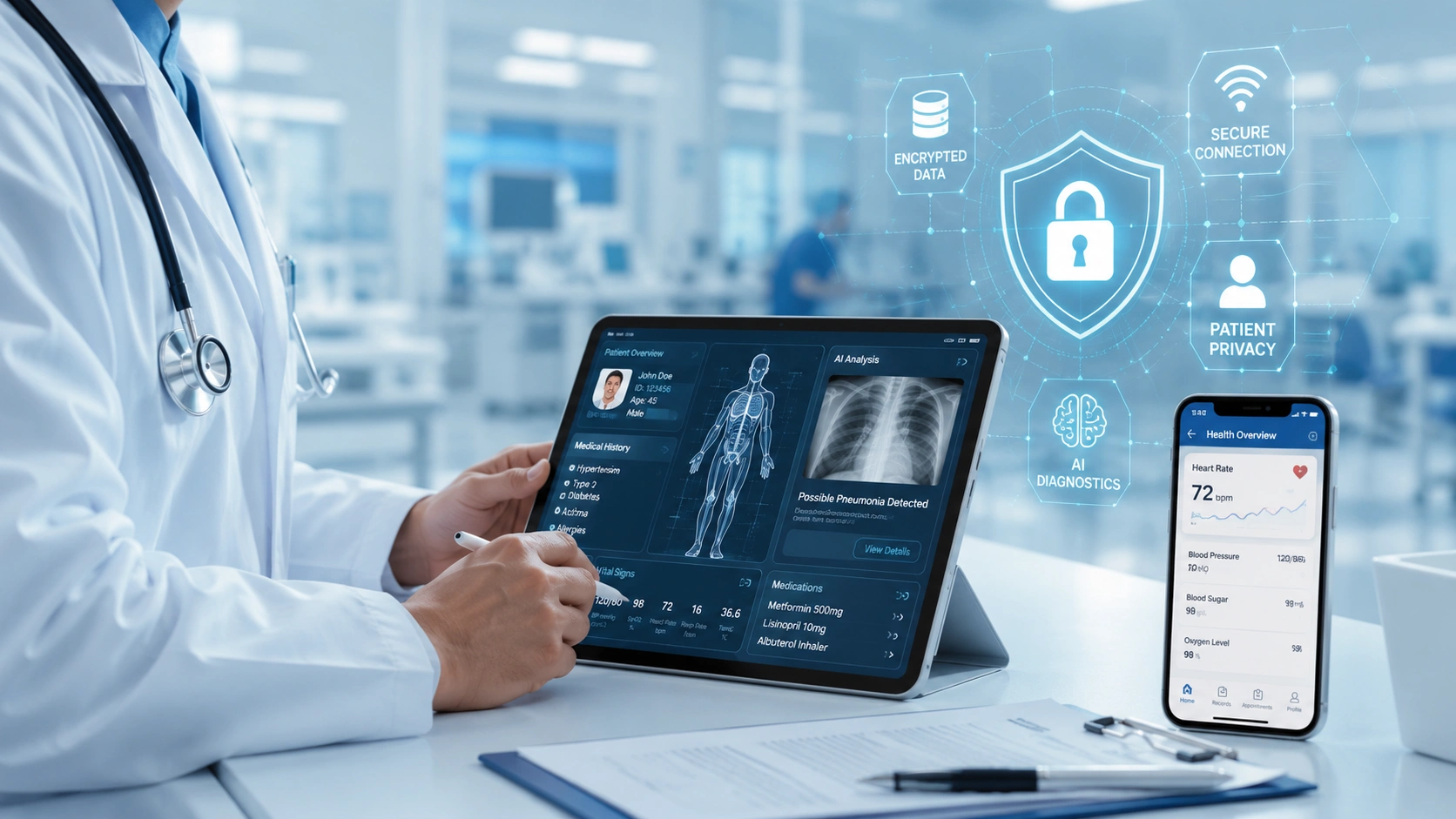
Healthcare Mobile App Development
Healthcare apps carry requirements most consumer apps never touch: encrypted data at rest and in transit, audit trails on every record access, explicit consent flows, and role separation between patients, doctors, and administrators.
We design these requirements into the product from the first sprint rather than retrofitting them during a pre-launch panic. That approach keeps projects compliant, secure and significantly easier to maintain as they scale.
We built an AI-assisted breast scan application supporting surgery planning, patient tracking and consultations for a cosmetic surgery practice, along with a secure second-opinion platform connecting patients with specialist doctors for case sharing and expert review. Both projects required careful handling of medical records, permissions and doctor-patient workflows.
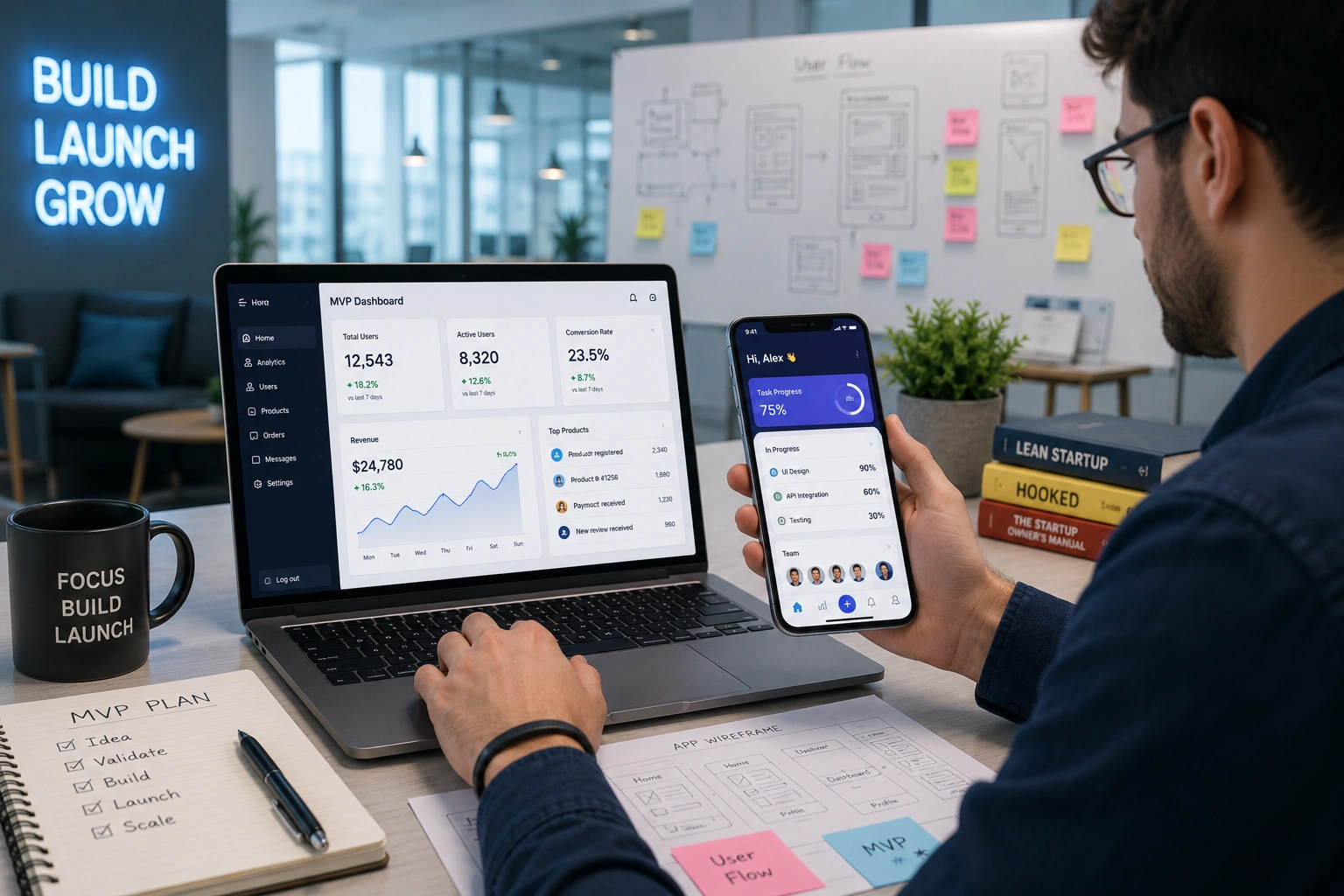
Startup & MVP App Development
Startups do not need an enterprise programme. They need a working product in front of users fast, built well enough that it does not have to be thrown away when it gets traction.
Our MVP path runs 6 to 10 weeks on fixed-scope pricing, with a working build at the end of every two-week sprint. Every sprint gives you something tangible to test, validate and improve with real users.
You work directly with the senior engineers building your product, not through an account management layer. Architecture decisions are made assuming your product will scale, so the codebase grows with your business instead of becoming an expensive rebuild.
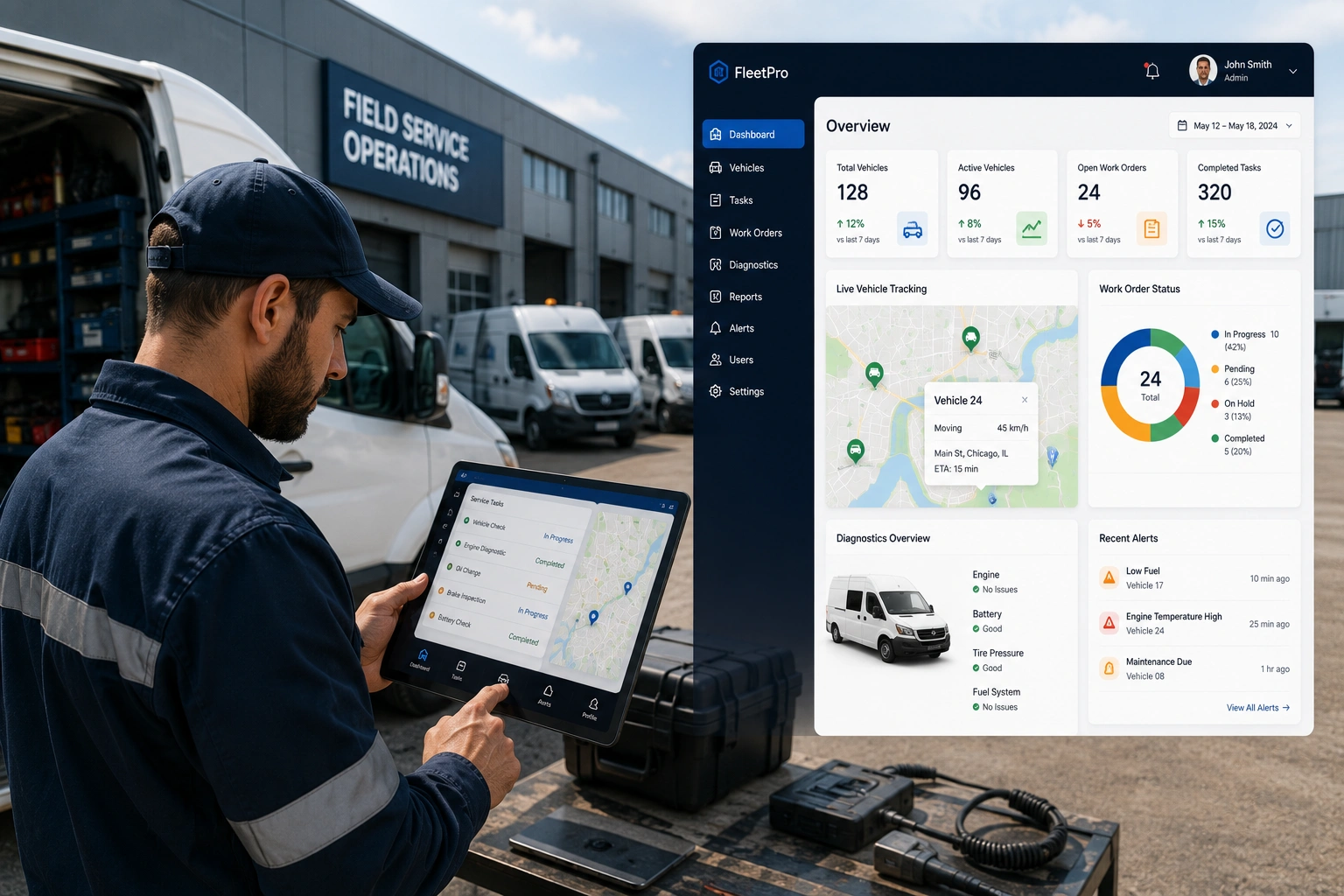
Enterprise & Field-Service Apps
Field and operations apps live or die on two things: whether they continue working when connectivity drops, and whether they integrate properly with the systems your business already relies on every day.
We have built a fleet diagnostic and repair management platform handling vehicle data and maintenance workflows, a premium plant-pruning service platform integrated with Jobber for quoting, scheduling and recurring maintenance, and a restaurant management platform supporting operations across multiple coffee outlets.
These projects required much more than a mobile interface. They involved real backend integrations, business workflows, user role management, offline capabilities, reporting dashboards and long-term scalability for growing teams.
Building a healthcare, startup, or field-operations app? We have shipped these before.
Work directly with senior engineers who have delivered secure healthcare platforms, scalable startup MVPs and enterprise field-service applications not just another generic app team.
Our Mobile App Portfolio
Explore some of our recent mobile app projects

Virtu Cosmetic Surgery
HealthcareAI breast scan app supporting surgery planning, tracking, and consultations.
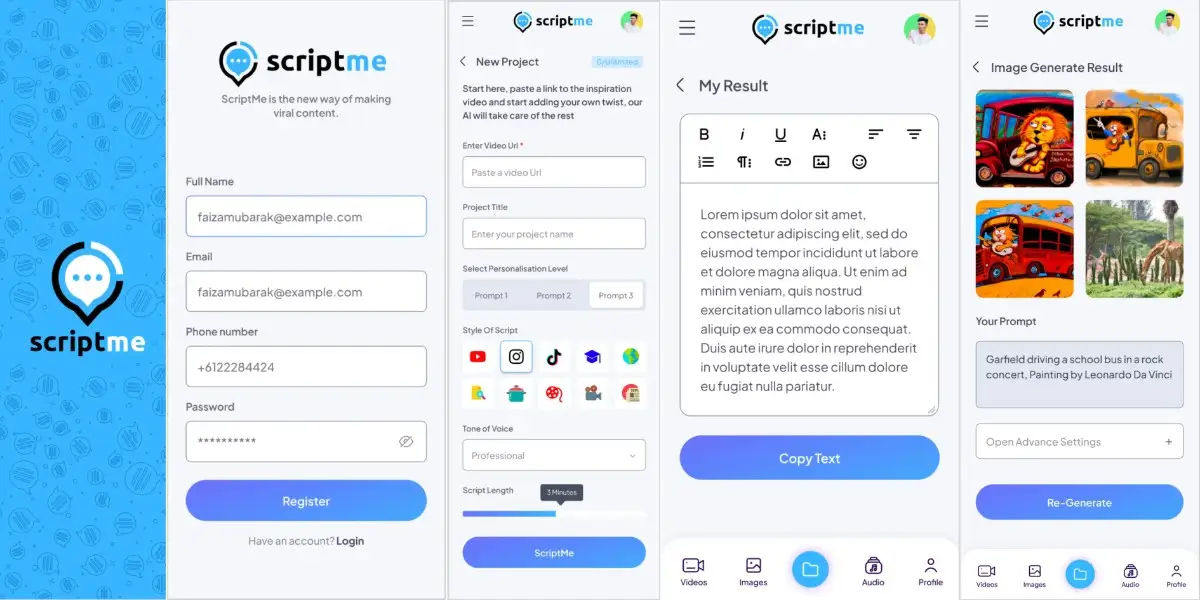
Script Me
TechnologyPrompt-based AI image generator for fast, high-quality creative visuals.
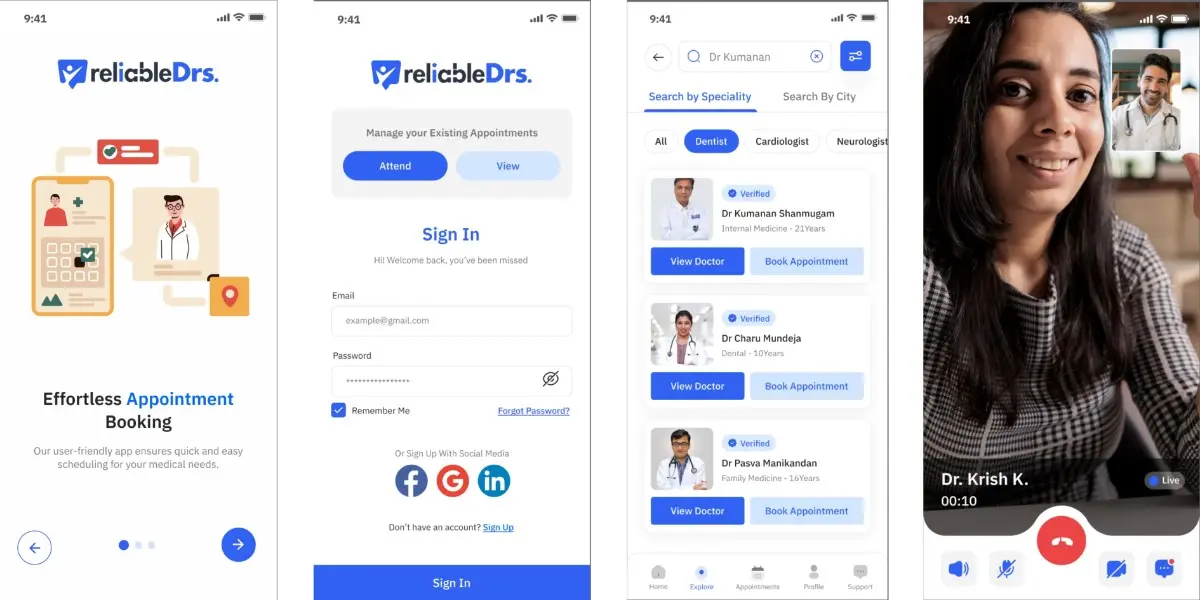
Reliable Drs
HealthcareSecond-opinion platform connecting patients with reliable specialist doctors online.
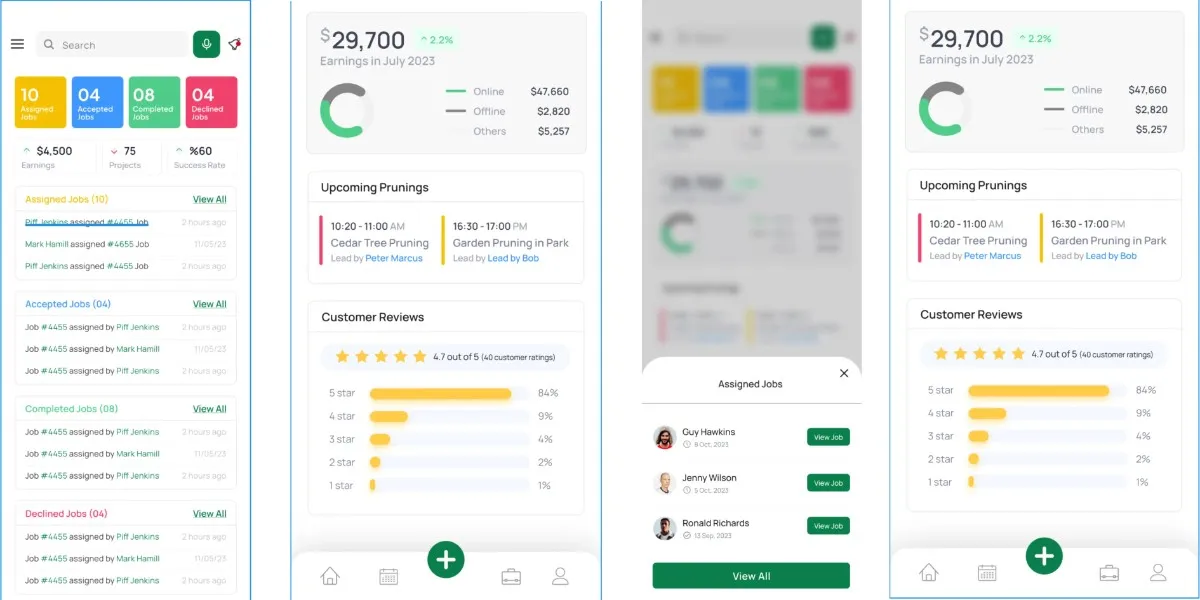
Proper Pruning
Horticulture ServicesPremium plant pruning service platform for quotes, scheduling, and maintenance.
Mobile App Case Studies
Longer write-ups of projects where the mobile app was part of a larger system. Explore how we solved real operational problems with scalable mobile applications, backend systems and integrations.
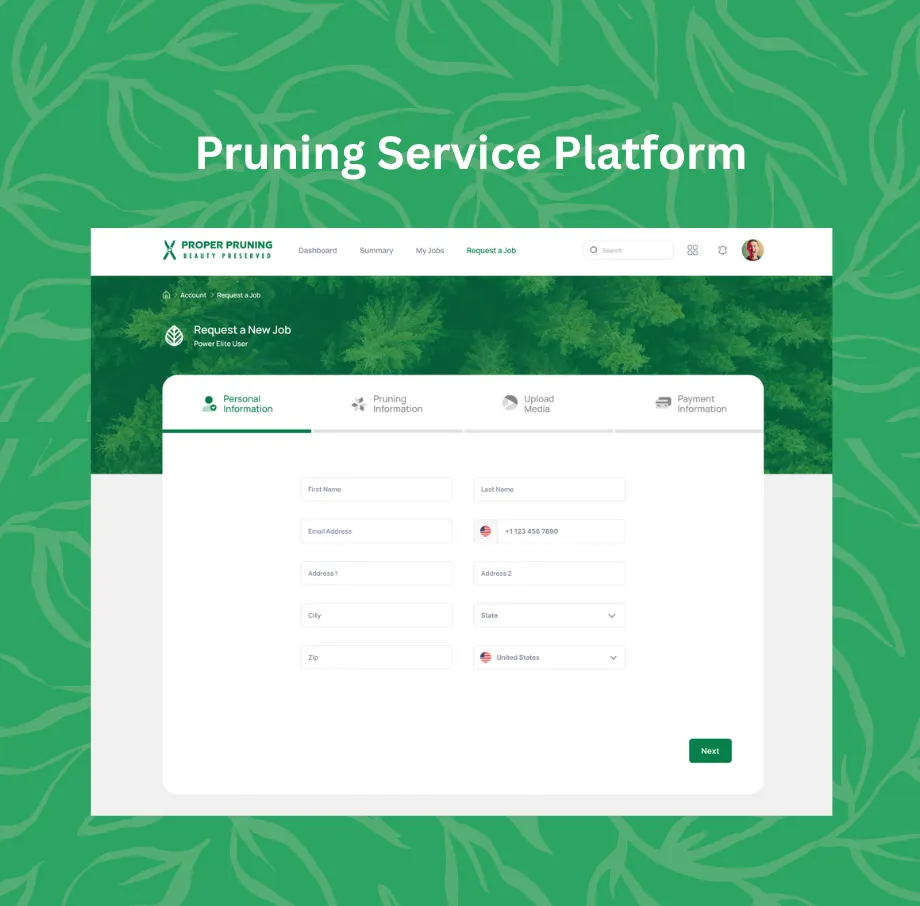
Pruning App Digital Ecosystem with Jobber Integration
A full service ecosystem for a plant-care business: customer quoting, job scheduling, and recurring maintenance, connected to Jobber so field operations and back-office records stay in sync.
Read Full Case StudyFleetwise AI Fleet Diagnostic & Repair Management
A diagnostic and repair management platform for vehicle fleets, handling inspection data, repair workflows, and maintenance history in one system.
Read Full Case Study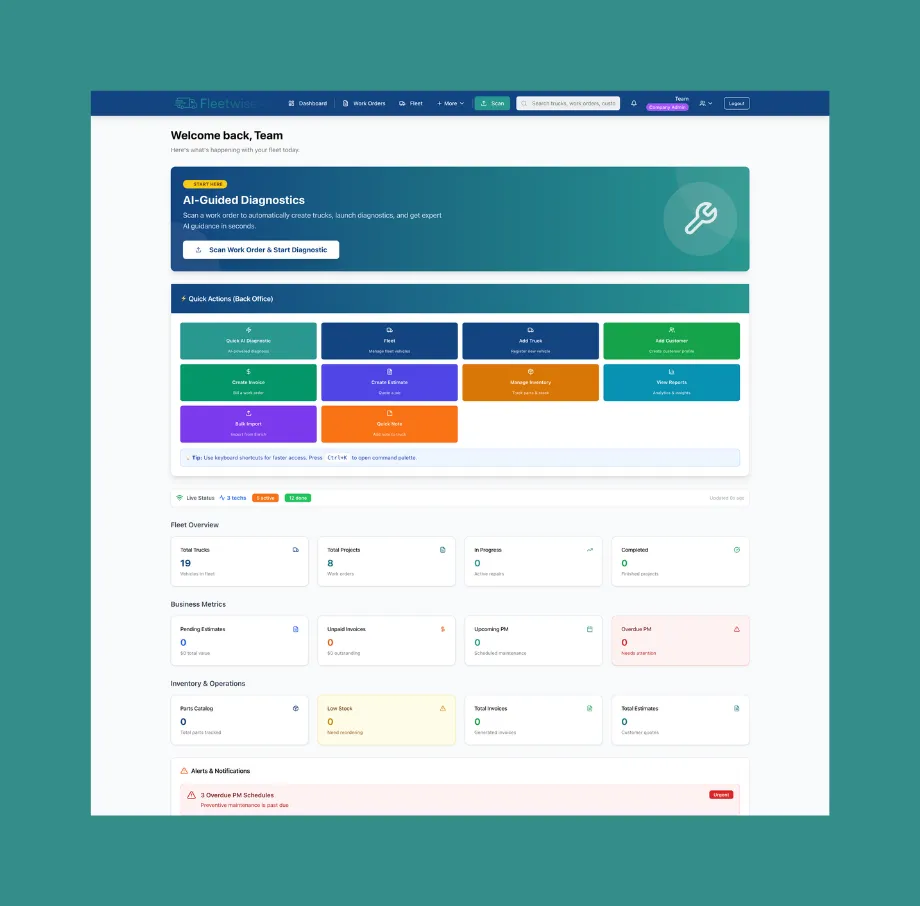
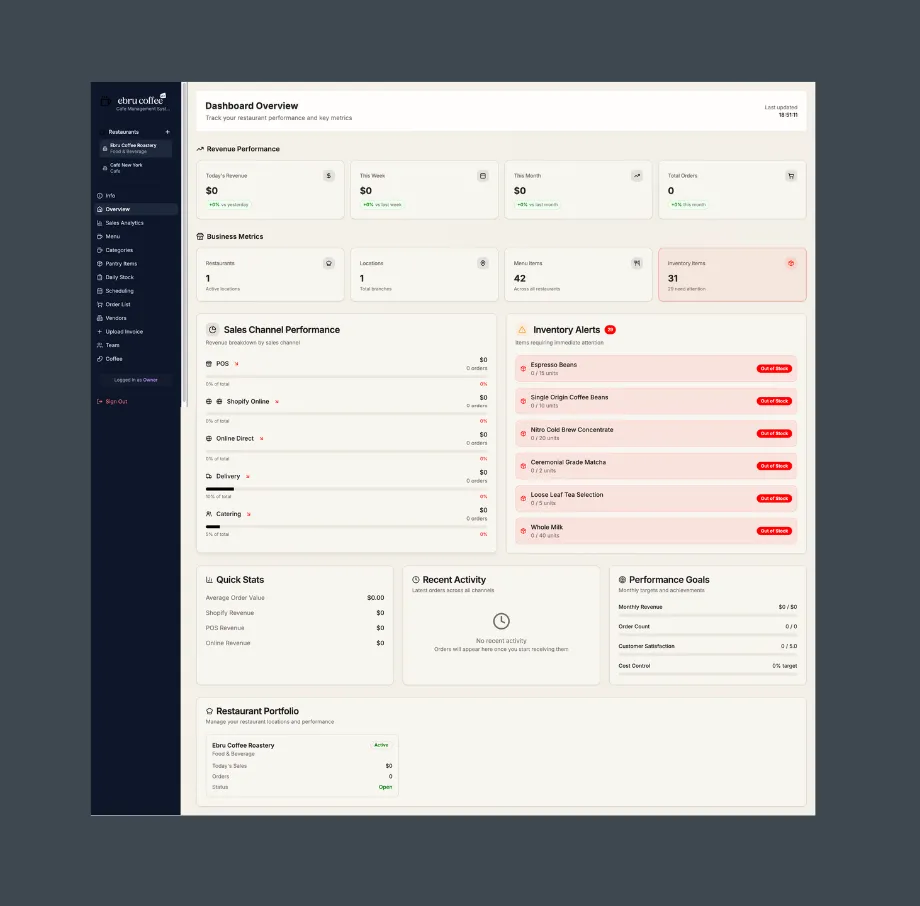
DineWiz Hub Restaurant Management Platform
An operations platform for a multi-outlet coffee business, covering day-to-day restaurant management workflows in a single interface.
Read Full Case StudyRewardify Slack App, Website & Dashboard
A recognition and rewards product delivered as a Slack application with a companion website and admin dashboard, built around how teams actually use Slack day to day.
Read Full Case Study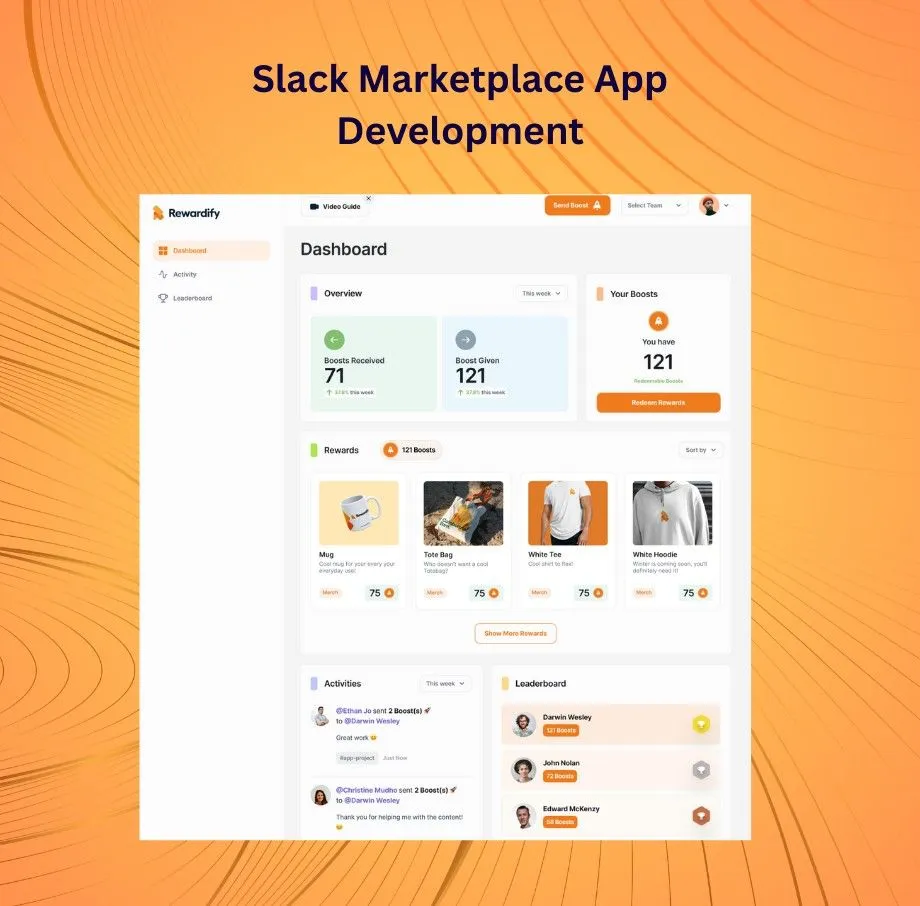
Modern Technologies & Frameworks We Use
To deliver top-notch mobile app development services, we utilize the latest technologies and industry-leading frameworks. Our team stays up-to-date with modern tools so that your app is built with a future-proof tech stack. Some of the core technologies we work with include:
Swift & Objective-C (iOS)
support or specific libraries. Using Apple’s Xcode and SwiftUI/UIKit frameworks, we create iPhone and iPad apps that are optimized for performance and follow Apple’s Human Interface Guidelines.
Kotlin & Java (Android)
We develop native Android apps primarily in Kotlin – Google’s preferred modern language for Android development – which offers safety and concise code. Our developers are also well-versed in Java for Android when needed. We use Android Studio and Android SDK frameworks to ensure compatibility across the Android ecosystem. The result: Android apps that are stable, responsive, and a joy to use.

React Native
This popular JavaScript/TypeScript framework allows us to build cross-platform apps from a single codebase. React Native is ideal for projects that need to target iOS and Android quickly while maintaining a near-native user experience. We’ve delivered React Native apps that achieve high code reuse and quick iteration, without sacrificing UI quality. It’s backed by Facebook and has a rich ecosystem for mobile development.

Flutter
Google’s Flutter SDK is another powerful option for cross-platform development, using the Dart language. Flutter enables highly custom UI designs and lightning-fast performance (thanks to its compiled nature). We recommend Flutter for clients who want a truly consistent experience across platforms and high-end graphics/animations. Our team includes Flutter experts who can leverage its widget library to create a beautiful, seamless app on both Android and iOS from one codebase.

Backend & Cloud Integrations
A great mobile app often needs a powerful backend. We use Node.js (with Express or NestJS) to build scalable API backends, often with GraphQL for flexible data fetching. Real-time features or notifications? We frequently integrate Firebase (Google’s mobile backend-as-a-service) which provides realtime databases, push notifications, and crash analytics out of the box. We also incorporate cloud services (AWS, Azure, GCP) for functions, storage, and databases as needed. This means your mobile app can sync data, authenticate users, and perform server-side logic securely and efficiently. Our expertise in full-stack development ensures your app’s frontend and backend work in harmony.
Other Tools & Best Practices
We utilize CI/CD pipelines (using tools like GitHub Actions, Jenkins, or GitLab CI) for continuous integration and delivery – every code change triggers automated tests and builds, ensuring stable releases. Our team employs Git version control, code reviews, and follows SOLID principles and clean code architecture (like MVVM, MVC, or Redux patterns for state management). We also use analytics tools (Google Analytics for Firebase, etc.) to enable data-driven improvements post-launch. Security is woven in via techniques like OAuth2.0, JWT for auth, and regular security audits.
Industries We Serve
We have delivered mobile and web products across these sectors.
Healthcare
Patient platforms, second-opinion services, clinical workflow tools.
Logistics
Fleet management, dispatch, tracking, and delivery operations.
E-commerce & Retail
Storefront apps, order management, loyalty, and inventory sync.
Restaurants & Food
Multi-outlet operations, ordering, and table management.
Field Services
Job scheduling, quoting, technician apps with offline support.
Fintech
Payments, wallets, and secure transaction flows.
Education
Learning platforms, course delivery, and progress tracking.
Real Estate
Listings, virtual tours, and lead management.
Why Hire Mobile App Developers from Gaincafe
You Need a Complete Team, Not Just Coders
Building a successful mobile app requires diverse skills: iOS and Android developers, UX/UI designers, backend engineers, QA specialists, DevOps engineers, and project managers. When you hire mobile app developers through us, you get this entire team working in coordination-no need to manage multiple contractors or build capabilities in-house.
Speed Without Sacrificing Quality
Our established development processes, reusable component libraries, and experienced team mean we deliver faster than building an in-house team or working with generalists. We've already solved the common problems. Time-to-market often determines success-we help you capitalize on opportunities while they're still opportunities.
Transparent Pricing, No Surprises
Fixed-scope projects get detailed estimates. Ongoing development uses clear hourly or monthly rates. No hidden costs, no scope creep disguised as "enhancements," no surprise invoices. You know what you're getting and what it costs before we start.
We Speak Both Technical and Business Languages
Our team understands stack traces and revenue models. We can discuss API architecture with your CTO and business outcomes with your CEO. This bilingual capability means better decisions, clearer communication, and apps that achieve business objectives-not just technical specifications.
How You Can Work With Us
Three engagement models, so the commercial structure fits the project rather than the other way round.
Fixed-Scope Project
We define the full scope, features, timeline, and price up front, then deliver against it. Best when your requirements are reasonably clear and you need budget certainty. This is the model most of our startup and mid-market projects use.
Time & Material
You pay for engineering time as the product evolves, with sprint-level visibility on what was built and what is next. Best when the roadmap is expected to change or you are running continuous product development.
Dedicated Development Team
A ring-fenced team working only on your product, integrated into your process and standups. Best when you need to extend an in-house team or scale capacity quickly without hiring.
Why You Need Custom Development vs. Low-Code Solutions
In an era of DIY app builders, business owners often ask: "Why should I hire mobile app developers when I can use a template?" While low-code platforms have their place for simple prototypes, they often fail when a business needs to scale.
Performance Limitations:
Templates often carry bloated code that slows down the app, leading to high uninstall rates.
Security Risks:
Generic platforms are prime targets for hackers. Custom mobile app development allows us to build specific security protocols tailored to your data sensitivity.
Integration Roadblocks:
Templates rarely integrate smoothly with proprietary internal systems or complex third-party APIs.
Feature Flexibility:
With custom development, you are not limited by the features of the builder. If you can imagine it, we can engineer it.
Trusted by Founders Around the World
From startups to enterprise businesses, our clients trust Gaincafe to design, build and scale products that deliver measurable business outcomes.
500+ Projects Delivered • 12+ Years Experience
They helped us scale from prototype to production faster than expected.
.webp)
Christopher Orelenna
CEO of Munchie Software
Munchie
There are thousands of IT service providers in the US. But there's nothing like Gaincafe.
.webp)
Stefan Mladenovic
Founder of DSTM Systems
DSTM Systems
I've been working with Gaincafe Technologies on two of my WordPress website projects. It has been two years now and I feel like they are a part of my team. We communicate at all hours of the day and work tirelessly to help uplifting my ongoing Print Business. What surprises me is their deep Industry knowledge especially with Print. My primary contacts have been Ray and Pranshu, both very supportive. They built a designer tool and MIS for complete order management. Highly recommend.
.webp)
Jeffrey De Ponte
CEO at ExhibitSupply
ExhibitSupply
Working with Pranshu and Gaincafe Technologies was a game-changer. Their technical guidance and help through Slack’s approval process made the launch incredibly smooth.
.webp)
Josh Golosinskiy
Founder of Rewardify
Rewardify
Partnering with Gaincafe was one of the best decisions we made. They rebuilt our platform, optimized performance, integrated Salesforce and improved our sales workflow significantly.

Marcos Romero
CEO at Sanesco Health
Sanesco Health
Working with Gaincafe felt like extending our own team. Their communication, speed and technical expertise made the entire engagement smooth from start to finish.

Diana (Lee)
Marketing Manager
Poppy Popcorn
Ready to Build Your Mobile App?
Contact us today to discuss your project and get started on bringing your vision to life.
Schedule a ConsultationMobile App Development FAQs
Costs depend on complexity, platform, and integrations. An MVP on a single platform typically runs $8,000 to $20,000 and takes 6 to 10 weeks. A standard business app across iOS and Android with a backend and payment integration runs $20,000 to $60,000 over 3 to 5 months. Complex enterprise apps with third-party integrations and compliance requirements start around $60,000. We share a detailed, itemised quote after a discovery call, with fixed-scope pricing so there are no surprise invoices.
A minimum viable product typically takes 6 to 10 weeks from kickoff to launch. A full-featured app on both platforms takes 3 to 5 months. Complex applications with custom backend infrastructure, real-time features, or regulatory compliance take 6 months or longer. We provide a sprint-by-sprint timeline during planning and demo working software every two weeks.
Native, meaning Swift for iOS and Kotlin for Android, makes sense when you need maximum performance, deep platform integration, or heavy use of device hardware. Cross-platform with React Native or Flutter makes sense when you want both platforms faster and cheaper from a single codebase, which fits most business and startup apps. We recommend based on your feature set and budget, not on what we prefer to build.
Yes. We have built healthcare applications including an AI-assisted breast scan app supporting surgery planning and a second-opinion platform connecting patients with specialist doctors. Healthcare apps require careful attention to data encryption, audit trails, access controls, and consent flows. We design these in from the first sprint rather than retrofitting them before launch.
Yes, and we do it regularly. We start with a code audit to assess the quality and maintainability of the existing codebase, then give you an honest assessment: continue building on it, refactor it, or rebuild. Sometimes the honest answer is rebuild, and we will tell you that rather than quietly charging you to patch something that will not hold.
You do, fully. All intellectual property rights transfer to you on final payment. There are no licensing fees, no vendor lock-in, and no ongoing dependency on us. You are free to take the codebase in-house or to another development partner at any time.
Yes. Mobile platforms change constantly, and iOS or Android updates can break functionality in an unmaintained app. We offer flexible maintenance packages covering OS compatibility updates, security patches, crash monitoring, performance optimisation, and App Store Optimisation improvements.
We handle the full submission process for both the Apple App Store and Google Play, including listing copy, screenshots, privacy policy requirements, and review compliance. We also set up beta distribution through TestFlight and Google Play Console. Familiarity with the review guidelines is what keeps rejections and launch delays down.
You get direct access to our project management tools and to the engineers building your app, not a layer of account managers. We work in two-week sprints with a working demo at the end of each one, plus regular written updates. You watch the app take shape rather than waiting months for a reveal.
Larger firms are built for enterprise-scale programmes, with enterprise timelines and pricing to match. If you are a startup or mid-market business, you usually get better outcomes from a partner who can move in weeks, gives you direct access to senior engineers, and works on fixed scope. We have delivered 500+ projects over 12+ years on that model. For very large multi-year, multi-region transformation programmes, a global firm is genuinely the better fit, and we will say so rather than take the project.